

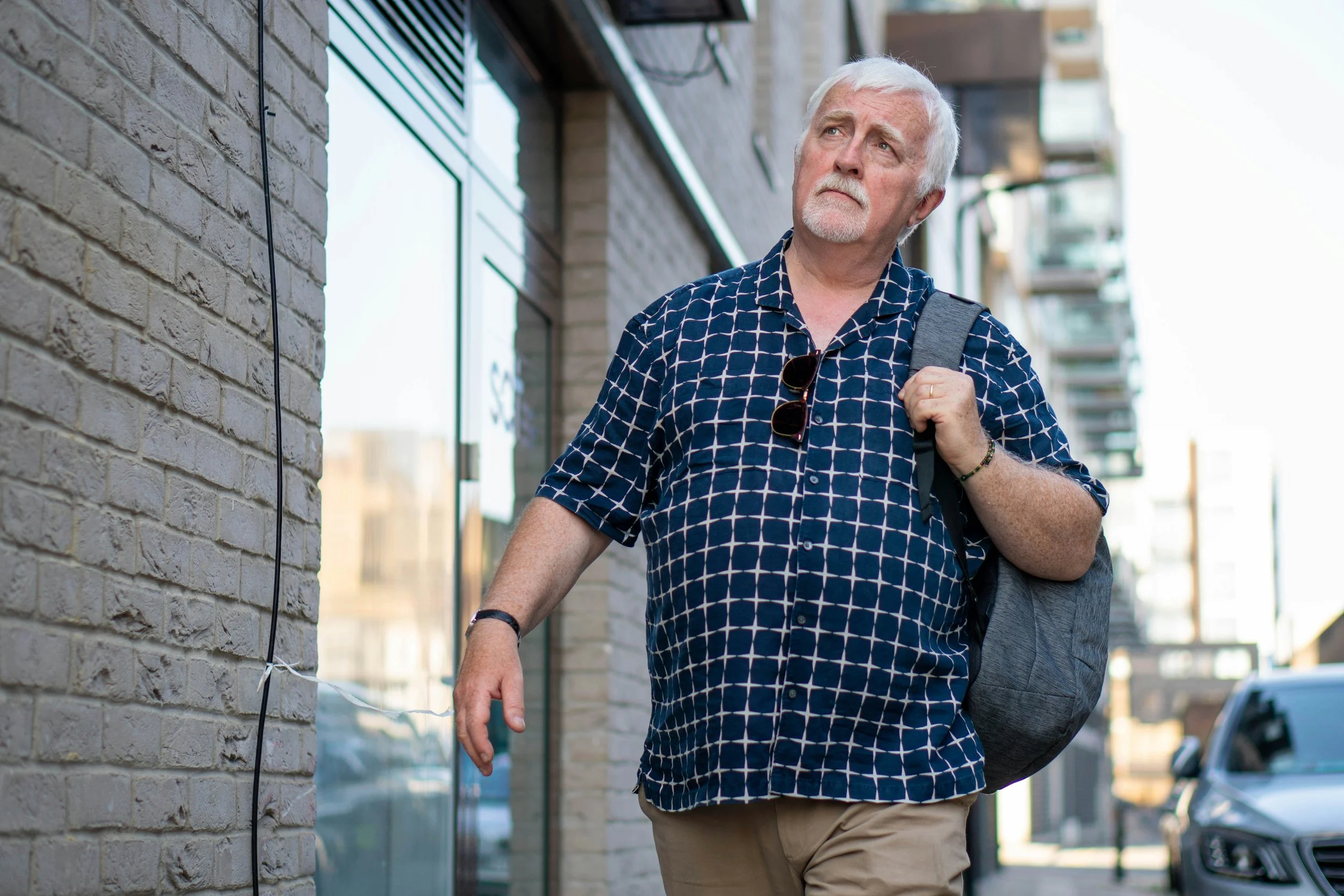
June is Men’s Health Month.
Men die nearly 6 years earlier than women on average in the United States.
Many of the leading causes of death are preventable through early detection and healthy lifestyle choices.
Nearly 1 in 2 U.S. men has high blood pressure.
Often called the "silent killer," high blood pressure may have no symptoms until serious complications occur.
Men are almost 4 times more likely to die by suicide than women.
Mental health conversations, support, and treatment can save lives.
Men are less likely than women to seek preventive healthcare.
Routine checkups and screenings can identify health concerns before they become life-threatening.
Sources: CDC Life Expectancy Data; CDC High Blood Pressure Facts; National Institute of Mental Health Suicide Statistics.
Faith Community Nurses and health ministry leaders can help address these concerns in congregational and community settings through health education, awareness efforts, and supportive conversations that encourage men to seek preventive care and recommended screenings. Learn more and access practical resources in our Men's Health Toolkit.
Access other 2026 toolkits to plan your health promotion and outreach efforts year-round.
Everyday FCN
FCN as a Health Educator
One of the most visible roles of the Faith Community Nurse (FCN) is that of health educator. The American Nurses Association FCN Scope and Standards of Practice identifies health education as an important part of promoting whole-person health, preventing illness, and supporting healthier communities. In FCN practice, however, education is often much more personal and relational than many people expect.
Health education does not always begin with a class or presentation. Often, it begins with listening. The FCN pays attention to what people are worried about, confused about, or struggling to understand. Someone may mention fear after a diagnosis, uncertainty about medications, stress from caregiving, or confusion about health information they have heard online or from others. These ordinary conversations often become opportunities for education.
Building trust is an important part of the FCN’s role as health educator. Trust is often formed through consistency, compassion, and presence over time. It may look like remembering someone’s concerns from a previous conversation, following up after a difficult situation, listening without judgment, respecting confidentiality, or simply being fully present when someone speaks. Trust also grows when the FCN avoids rushing conversations or overwhelming people with too much information at once. Instead, the FCN creates space for questions and responds with patience, calmness, and encouragement. As trust develops, people are often more willing to ask questions they may have been afraid or embarrassed to ask elsewhere. The FCN can then help explain health information in simpler and less overwhelming ways, encourage healthy habits, correct misinformation, or help individuals better understand what their healthcare provider has discussed with them. The goal is not simply to provide information, but to help people feel more confident and supported in caring for their health.
Discernment is also important. The FCN recognizes that every person learns differently and may not be emotionally ready to hear everything all at once. Through a healing presence and trusted relationship, the FCN learns when to speak, when to encourage, and when simply listening may be the most meaningful form of care.
Because FCNs are nurses, health education should always remain evidence-based, safe, and within nursing practice standards. The American Nurses Association FCN Scope and Standards remind FCNs of the importance of ongoing learning and professional accountability so that the information shared remains accurate, current, and appropriate.
At its heart, the FCN as health educator is not about having all the answers. It is about walking alongside people, helping them better understand their health, and offering compassionate guidance in ways that bring hope, dignity, and support.