

Heart Health Toolkit
Why It Matters
February is American Heart Month, a perfect time to help our congregations refocus on caring for their hearts. The holidays can throw off our routines with added stress and celebration so February often feels like a good time to reset. Heart disease remains the leading cause of death in the U.S. and many of our members may be living with risk factors without even realizing it.
Faith community nurses can make a real difference by offering encouragement, opening conversations and supporting whole person well-being. In a faith setting we can remind people that caring for their bodies is an important part of nurturing their overall health body, mind and spirit.
Fast Facts
Heart disease is the leading cause of death for men and women in the U.S.
Someone in the U.S. dies from cardiovascular disease about every 34 seconds.
There is a heart attack in the U.S. on average about every 40 seconds.
Nearly 47% of U.S. adults have high blood pressure — a major risk factor for heart disease.
Up to 80 percent of heart disease is preventable through healthy lifestyle choices.
Faith community nurses can make a real difference by:
Offering compassionate support that helps members feel encouraged and cared for
Creating welcoming opportunities to talk about heart health
Helping people understand the importance of maintaining a healthy heart
Raising awareness about common risk factors and healthy habits
Integrating spiritual support that emphasizes whole person health
Inspiring small meaningful steps that promote long term well-being
Ready-to-Use Program Ideas
-
Objective:
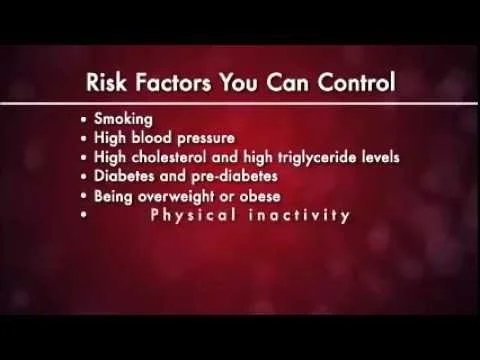
The Faith Community Nurse will educate congregation members and the surrounding community about the risk factors for heart attack and stroke, including high blood pressure, high cholesterol, diabetes, smoking, and family history.Metric:
At least (input number) adults will receive information about heart attack and stroke risk factors.Data Collection Tool:
Heart Health Education Tracking FormKey Activities:
Host an educational table with printed handouts and fact sheets about risk factors.
Share brief presentations or Q&A sessions with healthcare professionals on recognizing and understanding risk. FCNs can also enlist a heart attack or stroke survivor to share their personal testimony and experience with participants.
Promote awareness through bulletins, newsletters, and social media. Copy and paste these prewritten drop-in articles from NIH into your newsletters, bulletins, blogs, or website.
Discuss how congregants can assess their personal risk and the importance of talking to their healthcare provider.
Resources to Support This Goal:
-
Program Goal: Encourage and support heart-healthy actions to reduce risk.
Objective: The Faith Community Nurse will provide congregation members and the surrounding community with practical resources and guidance on how to reduce their risk for heart attack and stroke through lifestyle changes, screenings and healthy habits.
Metric:
At least (input number) adults will receive resources or guidance on reducing their risk for heart-related events.Data Collection Tool:Heart Health Action Tracking Form
Key Activities:
Distribute educational materials that explain lifestyle strategies such as healthy eating, physical activity, stress management, and smoking cessation.
Provide guidance on scheduling regular screenings for blood pressure, cholesterol, and other risk factors.
Host Q&A sessions with local healthcare professionals or partner organizations to answer questions about risk reduction.
Promote community events like walking groups, nutrition workshops, or cooking classes to encourage heart-healthy habits.
Follow up with participants to offer support, encouragement, and referrals to healthcare resources as needed.
Resources to Support This Goal:
Faith-Based Heart Health Resource Guide (American Heart Association)
Take Action for Your Heart: Get Started! Fact Sheet (NHLBI, NIH)
Heart Smart Basics: What to Know to Keep Yours Healthy (NHLBI, NIH)
Put Your Heart Into Getting Active & Eating Healthy Tip Sheet (NHLBI, NIH)
Opening and Closing Reflections:
Begin with a moment of prayer, meditation, or silence to center the group. Close with gratitude and a brief reflective prompt such as “One insight I will take forward…” to honor shared stories.Guided Meditations from Living/Dying Project
Progressive Christianity Worship Materials on Death/Grieving
Follow-Up Invitation:
Invite participants to schedule a one-on-one follow-up with the Faith Community Nurse or to join future sessions for deeper exploration or help completing advance directives.Tip: After the circle, provide a follow-up handout or email listing the shared resources with a brief explanation of how each can support participants’ next steps in advance care planning.
Ready-to-Share Videos
Focus on Spiritual Integration
Faith Community Nurses can support heart health by integrating spirituality into every step of the program. Begin by helping participants reflect on their personal heart health risks through guided discussions, prayer, or readings from sacred texts that emphasize stewardship of the body. To encourage behavior change and lifestyle modification, FCNs can lead practical, faith-centered activities such as:
Prayer and Meditation: Start sessions with a short prayer or guided meditation focused on strength, healing, and motivation for healthy choices.
Reflective Listening and Sharing: Invite participants to share personal experiences with stress, diet, or exercise challenges, offering compassionate listening and spiritual encouragement.
Sacred Text-Based Encouragement: Highlight passages from sacred texts that promote self-care, perseverance, and hope to reinforce motivation for lifestyle changes.
Community Support: Organize small peer groups or walking clubs that combine social connection with exercise, meal planning, or stress-reduction activities.
Action Plans with Spiritual Integration: Encourage participants to set specific goals (e.g., walking 20 minutes daily, reducing sodium intake) and pair each goal with a spiritual practice such as journaling, prayer, or gratitude reflection.
By weaving these spiritual practices into heart-health education, FCNs help participants not only identify risks and adopt healthier habits but also experience a sense of purpose, emotional resilience, and spiritual well-being. Participants leave empowered to care for their hearts as part of caring for the whole person—body, mind, and spirit.
Join our Network to Stay Updated!
Want to stay updated on our latest health promotion resources?
The resources provided on this website are for informational and educational purposes only. They are not intended to replace professional medical advice, diagnosis, or treatment. Always seek the guidance of a qualified healthcare professional with any questions you may have regarding your health or a medical condition. The Indiana Center for Parish Nursing (ICPN) does not endorse or guarantee the accuracy of information from external websites linked here.