

Why It Matters
Summer is a time for outdoor activities, travel, and enjoying longer days, but it also brings unique health risks. Heat, sun exposure, water activities, food handling, insects, and outdoor play can all lead to preventable injuries or illness. Faith community nurses have a valuable role in helping their communities stay safe while enjoying the season.
By providing guidance, encouragement, and practical tips, FCNs can support members in maintaining overall well-being. Summer safety is about simple, proactive steps that protect health and help people enjoy the season without unnecessary risk.
Fast Facts
Heat illness happens when the body cannot cool itself. Heat stroke is life threatening. (CDC)
Extreme heat causes hundreds of deaths in the U.S. each year. Stay hydrated and limit sun exposure. (USAFacts)
Drowning is a leading cause of death for children and adults. Close supervision and swimming skills save lives. (CDC)
Sun exposure increases skin cancer risk. Use sunscreen, protective clothing, and seek shade. (CDC)
Foodborne illness rises in summer. Keep foods safe with proper handling, storage, and refrigeration. (CDC)
Insect bites and stings increase. Use repellent, wear protective clothing, and check for ticks. (Red Cross)
Outdoor injuries can happen during sports or recreation. Helmets, protective gear, and awareness prevent accidents. (Red Cross)
Fireworks and campfires can cause burns and injuries. Follow safety guidelines and supervise children. (National Safety Council)
Faith Community Nurses and Health Ministry Leaders Can Make a Real Difference By:
Leveraging their training in health promotion and disease prevention to teach community members about heat illness, sun safety, water safety, and injury prevention
Using their experience in community-based care to identify individuals or families at higher risk and provide tailored guidance
Serving as trusted health educators and advocates in the faith community, encouraging people to adopt safe practices in a supportive environment
Integrating knowledge from multiple care settings — home visits, health screenings, and community events — to provide practical, actionable advice
Promoting whole-person well-being by connecting physical safety guidance with broader lifestyle support, such as hydration habits, proper nutrition, and awareness of environmental risks
Ready-to-Use Program Ideas
-
Objective:
The Faith Community Nurse will teach participants how to recognize, prevent, and respond to heat-related illness, including heat exhaustion and heat stroke, by providing demonstrations, practical tips, and take-home resources.Metric:
At least 15 community members will attend the workshop or activity, and at least 10 participants will identify one action they will take to stay safe in the heat.Data Collection Tool:
Heat Safety Workshop Attendance and Action TrackerKey Activities (Creative Implementation Ideas):
Interactive Demonstration: Show how to monitor for signs of heat illness, proper hydration, and strategies for staying cool during outdoor activities. Use the resources to help prepare for this key activity: Heat Illness Prevention Training Guide, Heat Illness Prevention Posters, Stickers, Wallet Cards and More
Hydration Challenge: Encourage participants to track daily water intake for a week and set personal hydration goals. Use this resource to help you prepare for this key activity: Harvard’s The Importance of Hydration
Temperature Awareness Activity: Teach participants to check the heat index before going outside and plan activities for cooler parts of the day. (NOAA Heat Index Calculator)
Heat Safety Bulletin or Display: Post tips and infographics on safe outdoor practices, early signs of heat illness, and emergency steps. Use these resources: NOAA Heat Infographics, CDC Heat Related Illnesses; Harvard Extreme heat endangers older adults: What to know and do
Story Sharing and Reflection: Invite participants to share past experiences with heat-related illness or near misses and discuss strategies to prevent them.
Take-Home Heat Safety Kit: Include a small water bottle, quick-reference card for heat illness symptoms, and a checklist of personal safety steps.
Follow-Up Tip Sharing: Send weekly email or social media reminders with simple heat safety tips, such as “Drink water before you feel thirsty” or “Take breaks in the shade every 30 minutes.”
Other Resources to Support This Goal:
-
Objective:
The Faith Community Nurse or Health Ministry Leader will teach participants strategies to reduce drowning risk, including supervision, swimming skills, and proper use of life jackets, using hands-on demonstrations and safety discussions.Metric:
At least 15 participants attend, and at least 10 participants report one water safety action they will adopt (e.g., supervising children near water, wearing life jackets).Data Collection Tool:
Water Safety Workshop Attendance TrackerKey Activities:
Hands-On Demonstration: Proper life jacket fitting, floating techniques, and basic water safety skills. Use these resources: Red Cross Life Jacket Safety Saves Lives; Boat U.S. Foundation Life Jacket Posters, Decals, and Flyers
Pool or Lake Safety Checklist: Participants evaluate home or community water access points for hazards. Use these resources: Abbey’s Hope Water Safety Resources, Pool Safety Foundation, National Drowning Prevention Alliance
Scenario Discussions: Practice responses to emergencies like someone struggling in water or spotting unsafe behavior.
Interactive Games: Quick quiz or “true or false” water safety facts.
Follow-Up: Share water safety tips through newsletters or social media.
Resources:
-
Objective:
The Faith Community Nurse will educate participants on sun safety, including sunscreen use, protective clothing, and shade strategies to prevent skin damage and long-term skin cancer risk.Metric:
At least 15 participants attend a session, and at least 10 report one sun protection action they will take, such as wearing a hat or applying sunscreen regularly.Data Collection Tool:
Sun Safety Workshop Attendance TrackerKey Activities:
Demonstrate Proper Sunscreen Application: SPF selection, coverage, and reapplication. Use these resources: American Academy of Dermatology Association, FDA, American Cancer Society
Protective Clothing Tips: Hats, long sleeves, sunglasses, and UV-protective fabrics.
UV Index Awareness: Teach how to use the daily UV index to plan outdoor activities. Use these resources: EPA UV Index, Envirofacts UV Index, UV Index phone application, Indice UV, UV Alert Map (National Weather Service), Cities Forecast Bulletin (National Weather Service)
Other Resources:
Good Skin Knowledge Module American Academy of Dermatology Associates
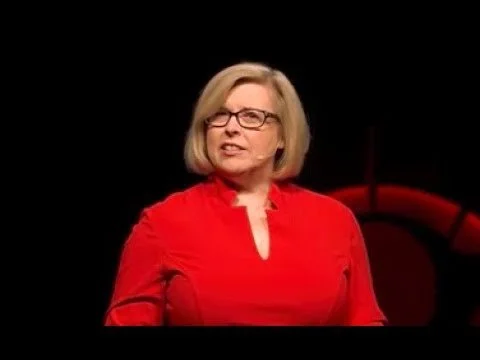
Ready-to-Share Videos

Focus on Spiritual Integration
Caring for the Whole Person
Safety is more than following rules—it is a way of honoring life and the gift of being able to enjoy summer to the fullest. Accidents can happen quickly, and learning to prevent them is empowering. Faith community nurses play an important role in supporting individuals by connecting practical summer safety education with spiritual reflection and encouragement.
Practically, this includes helping people recognize the value of caring for themselves and others, and encouraging small steps toward safer habits. It involves acknowledging worries or fears about water, heat, or sun exposure without judgment, and reinforcing that taking precautions is a meaningful way to protect life. For many, connecting safety practices with personal values or spiritual beliefs provides an extra layer of motivation and peace of mind.
Encouraging mindful attention also involves celebrating progress. A family learning to supervise children in the pool, an individual remembering to stay hydrated, or someone checking sun exposure are all small but important steps toward safety. Recognizing these actions can empower people to continue practicing safety, engaging fully in community, and reflecting on the ways they care for themselves and others.
By offering encouragement, listening with care, and linking practical safety measures to a sense of purpose or meaning, faith community nurses help foster vigilance, resilience, and a sense of well-being. In this way, they support not only physical safety but emotional and spiritual health as well.
Tip: Even a simple, heartfelt affirmation—like, “Taking these steps helps protect you and those you care about”—can reinforce the importance of safety while connecting it to a deeper sense of meaning and care.
Join our Network to Stay Updated!
Want to stay updated on our latest health promotion resources?
The resources provided on this website are for informational and educational purposes only. They are not intended to replace professional medical advice, diagnosis, or treatment. Always seek the guidance of a qualified healthcare professional with any questions you may have regarding your health or a medical condition. The Indiana Center for Parish Nursing (ICPN) does not endorse or guarantee the accuracy of information from external websites linked here.