

Why It Matters
May is Older Adults Month, a perfect time for Faith Community Nurses (FCNs) to inspire congregations to support the health, independence, and well-being of older adults. Aging brings wisdom, experience, and community, but also unique health challenges. As FCNs, you can guide members to make choices that strengthen their bodies, minds, and spirits, helping older adults thrive in every season of life.
Quick Older Adult Health Facts
Older adults are at higher risk for chronic conditions such as heart disease, diabetes, arthritis, and hypertension.
Strong social connections and feeling socially supported are linked to better physical, mental, and emotional health—and even slower biological aging—among older adults.
Feeling seen, heard, and supported by caregivers and healthcare providers is linked to better mental and physical health outcomes.
FCNs can make a real difference in promoting the health and well-being of older adults in their faith communities. FCNs are uniquely equipped to do the following:
Provide personalized guidance on wellness, preventive care, and navigating healthcare resources.
Listen with compassion, creating a safe space where older adults can share health concerns, challenges, and goals.
Connect members to each other, fostering social support through small groups, workshops, or one-on-one check-ins.
Share practical tools and resources, like handouts, guides, and information about local programs that support healthy aging.
Integrate spiritual care, offering reflection, prayer, or supportive conversation alongside health guidance.
Advocate for awareness, helping the community understand the unique health needs and strengths of older adults.
Ready-to-Use Program Ideas
-
Objective:
The Faith Community Nurse (FCN) will support older adults in discovering and maintaining a sense of purpose by creating opportunities for meaningful engagement, volunteerism, and connection within the faith community.Metric:
At least (input your number) older adults will participate in one or more purpose-driven activities during May (e.g., volunteering, mentoring, teaching, leading devotionals, or participating in intergenerational projects).Data Collection Tool:
Attendance log, sign-in sheet, or a short survey asking participants to reflect on how engaged and purposeful they felt after the activity.Key Activities:
Intergenerational Connections: Pair older adults with younger members for mentoring, story-sharing, or tutoring. This gives them a tangible way to contribute their experience and wisdom. Ideas on intergenerational activities and resources visit Link Generation. Visit Virginia Tech’s Cooperative Extension for best practices on intergenerational interactions.
Youth/Senior Storytelling Projects: Host sessions where older adults share life stories while young people help with documentation (audio, video, or written), creating a shared legacy and connection. To learn more about this concept, visit Youth + Senior Connections.
Faith Leadership Roles: Encourage participation in reading scriptures, leading prayer, or facilitating small group discussions to use spiritual gifts and leadership experience.
Creative Expression Workshops: Offer art, music, or writing sessions where older adults can share their stories, talents, and life experiences with the community. For resources on this activity, visit Arts for the Aging or Creative Spark.
Other Resources to Support this Goal:
National Institute on Aging: Tips for Staying Active and Engaged (nia.nih.gov)
VolunteerMatch.org: Ideas for Older Adult Volunteering (volunteermatch.org)
-
Objective:
The Faith Community Nurse (FCN) will engage older adults in activities that promote mental sharpness, learning, and social connection, using interactive, faith-friendly approaches that inspire curiosity and reflection.Metric:
At least (input your number) older adults will participate in the “Faith & Memory Café” activity or similar learning events hosted by the FCN in May.Data Collection Tool:
Attendance log or sign-in sheet, plus a short post-event reflection survey asking participants how engaged they felt and whether they learned something new.Key Activity:
Faith & Memory Café: Brain-Boosting Story Circles
Description: Participants gather in small groups (4–6 people) to share stories from their lives related to faith, community, or personal growth. Each round has a guided prompt (examples, “Describe a time you witnessed kindness in your community,” or “Share a favorite memory of faith in action”).
Learning & Mental Engagement:
Memory recall strengthens cognitive function.
Discussion encourages attention, comprehension, and verbal expression.
Reflection prompts help participants connect life experience with spiritual meaning.
Social & Spiritual Benefits:
Builds connection and empathy among participants.
Encourages active listening and supportive dialogue.
Can conclude with a short group prayer, reflection, or sharing of lessons learned.
Materials Needed:
Prompt cards (printed or on a board) Access prompt suggestions here.
Notebooks or journals for participants who want to write reflections
Comfortable seating arranged in circles to encourage conversation
Optional Extension: Record or compile shared stories (with permission) into a small “Faith & Memory Journal” for participants to take home or display at the church.
Other Resources to Support This Goal:
OASIS Lifelong Learning Programs – Offers structured examples for adult learning circles.
StoryCorps is a free tool that lets people record and preserve personal stories, with guides, prompts, and resources to make storytelling easy and meaningful.
Reminiscence resources from www.lifestorywork.org.
Ready-to-Share Videos
Focus on Spiritual Integration
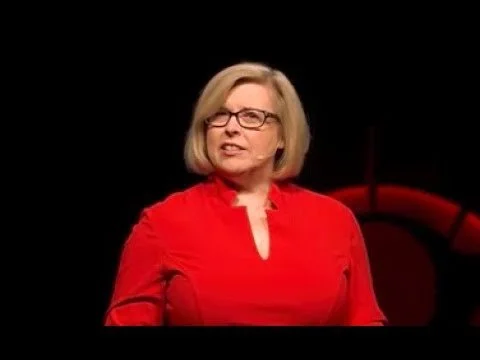
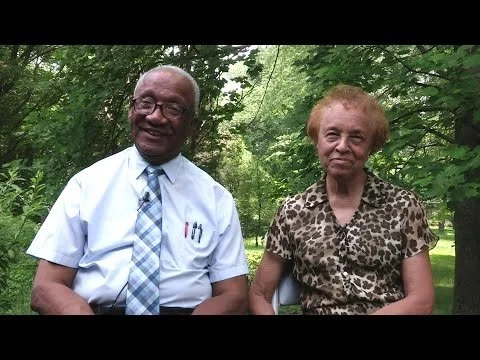
Reminiscence
Faith Community Nurses are blessed with a unique role: caring for the whole person—body, mind, and spirit—within the familiar and trusted setting of a faith community. While health programs often focus on education, screening, or behavior change, they also offer beautiful opportunities for spiritual care. One especially meaningful way to integrate spirituality into health programming is through reminiscence and storytelling.
Reminiscence is not simply about remembering the past. It is a way people make sense of their lives, reflect on what has mattered most, and recognize how faith, relationships, and community have carried them through times of joy and struggle. When individuals share stories from their lives, they often rediscover gratitude, resilience, forgiveness, and hope. In this way, storytelling becomes a spiritual practice—one that honors lived experience and affirms God’s presence across a lifetime.
Creating the right environment is key. People are more likely to share meaningful memories when they feel safe, respected, and unhurried. Beginning a session with prayer, a familiar hymn, or a short scripture reading can gently signal that this is sacred time. Sitting in a circle, rather than in rows, helps reinforce a sense of connection and equality. Soft lighting, quiet background music, or simple faith symbols can further invite reflection. Perhaps most importantly, allowing moments of silence communicates that there is no rush and that each story is welcome.
Faith Community Nurses can invite reminiscence by asking gentle, open-ended questions that connect health and spirituality. Questions such as, “Can you remember a time when your faith helped you through a health challenge?” or “Who has been an important spiritual influence in your life?” often open the door to meaningful stories. Sensory prompts can also be powerful—listening to a hymn from years past, reading a familiar psalm, or handling an object connected to worship or service can awaken memories that words alone may not reach.
As stories are shared, the nurse’s role is simply to listen with presence and compassion. There is no need to correct, interpret, or solve. Reflecting back what you hear—acknowledging courage, trust, or perseverance—helps participants feel seen and valued. Emotions may arise, including joy, sadness, or grief, and all of these are part of spiritual care. Holding space for these moments can be deeply healing for both the individual and the group.
Reminiscence can be woven naturally into many types of faith-based health programs. It fits beautifully into healthy aging classes, chronic illness support groups, grief or caregiver gatherings, and even intergenerational activities. A few minutes of storytelling within a health program can transform the experience from one of information-sharing to one of connection and meaning.
When Faith Community Nurses invite reminiscence, they affirm that every life story is sacred. Storytelling reminds participants that their experiences matter, that their faith has shaped who they are, and that they continue to have wisdom to share. In listening to one another’s stories, the faith community itself is strengthened, and health programming becomes a living expression of spiritual care.
Join our Network to Stay Updated!
Want to stay updated on our latest health promotion resources?
The resources provided on this website are for informational and educational purposes only. They are not intended to replace professional medical advice, diagnosis, or treatment. Always seek the guidance of a qualified healthcare professional with any questions you may have regarding your health or a medical condition. The Indiana Center for Parish Nursing (ICPN) does not endorse or guarantee the accuracy of information from external websites linked here.