

Why It Matters
April is National Minority Health Month, a time to raise awareness about health disparities and promote equitable health for all people especially those from racial and ethnic minority communities. Minority populations experience higher rates of chronic conditions, barriers to care and poorer health outcomes due to systemic inequities in access, quality of care and social determinants of health. Faith Community Nurses (FCNs) are uniquely positioned to educate, advocate and support individuals and families in addressing these disparities, fostering health equity and empowering their congregations and communities.
Quick Minority Health Facts
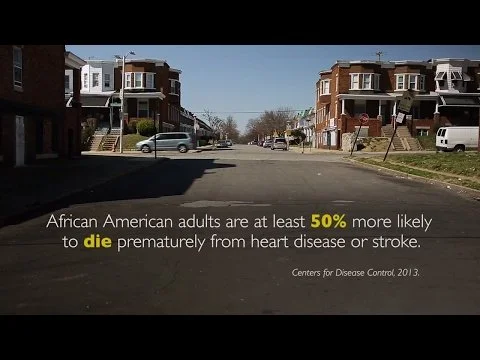
Racial and ethnic minority groups in the U.S. face higher rates of chronic diseases such as hypertension, diabetes and heart disease.
Racial and ethnic health disparities cost the U.S. economy an estimated $451 billion annually, highlighting the extensive impact of unequal health outcomes on society.
Barriers including limited access to preventive services, cultural or language differences and economic inequities contribute to ongoing disparities in health outcomes.
Education, early detection and culturally sensitive care can significantly improve outcomes and quality of life for minority populations.
FCNs can make a real difference in reducing health disparities. FCNs are uniquely equipped to do the following:
Reach out to members to provide guidance on preventive care, screenings and wellness strategies.
Offer a safe space to discuss health concerns, cultural challenges and personal barriers to care.
Encourage connection through small group discussions, workshops or one on one support.
Provide practical resources such as handouts, guides or information about local health services.
Include spiritual care through presence, reflection, prayer or supportive conversation.
Raise awareness about health disparities and empower individuals to take steps toward equitable health.
Ready-to-Use Program Ideas
-
Objective:
The Faith Community Nurse will help congregation members better understand minority health concerns by offering welcoming, culturally sensitive education and conversations that support understanding, compassion, and healthier choices for individuals and families.Metric:
At least (input your number) congregation members will take part in a conversation, activity, or learning opportunity focused on minority health, and at least (input your number) participants will share one new insight or action they can take to support health and well-being for themselves or others.Data Collection Tool:
Minority Health Education and Conversation Tracking FormKey Activities:
Offer small group conversations, informal gatherings, or one-on-one discussions where people can learn and talk openly about minority health concerns. Use this Facilitator Script as a guide.
Share simple, easy-to-understand information through newsletters, bulletin inserts, announcements, or social media during National Minority Health Month.
Create a safe and welcoming space for people to share experiences, ask questions, and talk about challenges related to health, culture, or access to care.
Invite reflection on how faith, compassion, and caring for one another connect to health and well-being in the congregation and community.
Include spiritual care through listening, prayer, reflection, and supportive conversation throughout these activities.
Other Resources to Support This Goal:
-
Objective:
The Faith Community Nurse will connect congregation members, particularly those from underserved or minority populations, with culturally appropriate preventive health information, screenings, and local health resources to help reduce barriers to care.Metric:
At least (input your number) adults will receive information about preventive health services or community resources, and at least (input your number) will be referred to or connected with a local health service, screening, or support program.Data Collection Tool:
Preventive Health Referral and Resource Tracking FormKey Activities:
Compile and share a list of local clinics, screening programs, transportation services, and low or no cost health resources. Use the Free Clinic Directory, the Charitable Healthcare Directory or the Indiana Department of Health’s IN-WISEWOMAN program.
Provide one on one support to help individuals navigate healthcare systems, schedule appointments, or access insurance or assistance programs. Use the CMS resources by language available in over 18+ languages, the AHRQ Engaging Patients and Families resource page that includes tools and tips to help patients prepare for medical visits and communicate better with providers or the Patient‑Provider Communication Network’s free tools and communication supports available in many languages (Spanish, Arabic, French, Tagalog, Vietnamese, and more) to help patients engage with providers effectively.
Offer culturally sensitive education on preventive care such as blood pressure checks, diabetes screening, and immunizations. Use the CDC’s Diabetes Prevention Program’s Equity Tailored Resources or the CDC’s High Blood Pressure Communication Toolkit to find resources for this activity.
Incorporate spiritual care through listening, prayer, and encouragement when addressing health concerns and barriers.
Other Resources to Support This Goal:
The Infographic for the Effects of Poverty on Health Care for People with Medicare
The NCQA’s Resources to Support Equity Action, including tools, best practices and foundational references that can help inform organizational efforts to put equity into practice.
Ready-to-Share Videos
Focus on Spiritual Integration
Health equity reflection is a spiritual care practice that helps people explore how their faith, values and beliefs connect to fairness, justice and well-being for themselves and their communities. Many individuals want to live in a way that honors their faith and supports the flourishing of others, but they may not have considered how these spiritual convictions relate to everyday choices, access to care or advocacy for those who face barriers to health.
As an FCN, you can guide health equity reflection in both structured programs and everyday encounters. Begin by creating a safe, supportive space where participants feel heard and valued. Ask open-ended, reflective questions such as:
“How does your faith inspire you to care for your health and the health of others?”
“What does justice or fairness mean to you in the context of health and wellness?”
“Which of your spiritual or moral values guide the choices you make about self-care, community engagement or supporting others?”
Listen carefully for themes or priorities the individual expresses, and gently reflect them back:
“It sounds like compassion for others and taking responsibility for your own health are important to you.”
“I hear that your faith calls you to advocate for fairness in your community’s access to care.”
Sometimes, participants may notice that their actions or opportunities don’t always align with the values they hold. For example, someone may value healthy eating or exercise but face barriers such as limited access to fresh food or safe spaces for activity. This is not a failure; it reflects the real-life challenges that come from inequities in the environment, society and healthcare system. The faith community nurse's role is to acknowledge these challenges compassionately, explore the values at play and help the individual identify small, realistic steps that honor their principles while working within their current circumstances. For instance, someone who values stewardship of the body might focus on selecting the healthiest options available at the local store or participating in a faith-based community garden.
Health equity reflection can be incorporated in many ways: as a guided reflection at the start of a wellness class, through one-on-one conversations during home visits or as part of group discussions where participants share their experiences with access, fairness and well-being. Over time, this approach nurtures self-awareness, strengthens spiritual connection and helps individuals make intentional decisions that honor both their faith and the broader call for justice and equity. By weaving health equity reflection into daily practice, FCNs can help people not just improve their own health but also contribute to a more just, compassionate and spiritually aligned community, supporting wholeness of body, mind and spirit for all.
Join our Network to Stay Updated!
Want to stay updated on our latest health promotion resources?
The resources provided on this website are for informational and educational purposes only. They are not intended to replace professional medical advice, diagnosis, or treatment. Always seek the guidance of a qualified healthcare professional with any questions you may have regarding your health or a medical condition. The Indiana Center for Parish Nursing (ICPN) does not endorse or guarantee the accuracy of information from external websites linked here.